In today’s interconnected world, religion continues to play a pivotal role in shaping societies, influencing politics, and inspiring cultural traditions. At the same time, misunderstandings or oversimplifications about religious communities can easily spread through media coverage. This is why hosting a dedicated event for journalists on various religious topics has never been more important.
Such an event provides media professionals with an opportunity to deepen their understanding of religious diversity, explore sensitive topics with nuance, and develop the skills necessary for responsible reporting. By doing so, it not only strengthens the quality of journalism but also promotes mutual respect and constructive dialogue within society.
Why Journalists Need to Engage with Religious Topics
The media holds immense power in shaping public perceptions. A single headline or news segment can influence how millions view a religious tradition or community. Therefore, journalists must be equipped with accurate knowledge and cultural sensitivity when reporting on matters of faith.
Building Awareness of Diversity
One of the primary goals of an event focused on religious topics is to highlight the incredible diversity of faith traditions across the globe. From Christianity and Islam to Hinduism, Buddhism, Judaism, Sikhism, and indigenous beliefs, each tradition offers unique perspectives on life, morality, and community. For journalists, understanding this diversity allows them to report in ways that avoid stereotypes and promote inclusivity.
For example, covering a religious festival requires more than simply describing rituals—it involves understanding its cultural and spiritual significance. By equipping journalists with this knowledge, the event ensures that their reporting captures both accuracy and empathy.
Addressing Sensitive Issues
Religion is often tied to controversial or sensitive topics such as gender roles, politics, interfaith relations, and human rights. Journalists must navigate these issues with care to avoid sensationalism or misrepresentation. Through workshops, case studies, and expert-led panels, the event provides strategies for ethical reporting.
For instance, when reporting on conflicts where religion is a factor, journalists learn to distinguish between faith-based motivations and political agendas, ensuring that complex situations are not reduced to simplistic “religious clashes.” This training empowers journalists to present nuanced, balanced perspectives that foster understanding rather than division.
Enhancing Credibility and Trust
Audiences are becoming increasingly critical of how the media covers religion. Inaccurate or biased reporting can damage trust and perpetuate misinformation. By attending such an event, journalists gain credibility as they demonstrate a commitment to responsible journalism. This credibility not only benefits individual careers but also strengthens public trust in the media as a whole.
Key Features of the Event
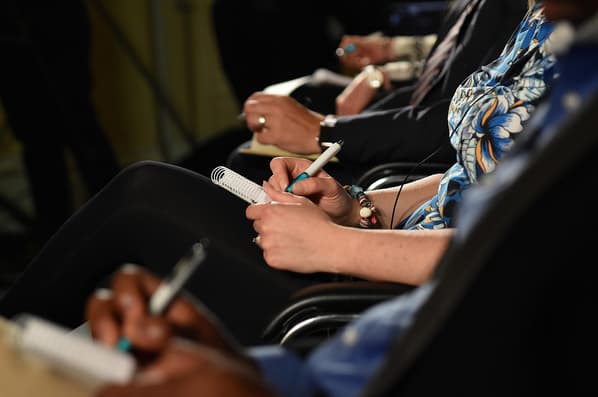
An event on religious topics for journalists is more than just a seminar—it’s an immersive experience designed to combine education, dialogue, and practice.
Expert-Led Panels and Lectures
The foundation of the event lies in the expertise of scholars, theologians, and practitioners from different religious traditions. Their lectures provide journalists with essential background knowledge while panel discussions encourage the exploration of diverse perspectives. Topics might include the role of religion in peacebuilding, the intersection of faith and technology, or the impact of religion on global migration.
Having direct access to experts allows journalists to ask questions, clarify misconceptions, and gain a deeper appreciation for the complexity of religious issues.
Workshops on Reporting Techniques
Beyond theoretical knowledge, the event emphasizes practical skills. Workshops guide journalists on how to conduct interviews with religious leaders, write balanced stories, and frame questions in ways that encourage openness rather than defensiveness.
Role-playing exercises may also be used, where participants simulate challenging interview situations, learning firsthand how to remain respectful, impartial, and inquisitive. These exercises not only build confidence but also prepare journalists for real-world encounters.
Networking Opportunities
The event also fosters connections among journalists, academics, and religious representatives. These networks often outlast the event itself, providing participants with valuable contacts for future reporting. For instance, a journalist covering an interfaith dialogue years later may draw upon the relationships formed during the event to ensure reliable sources and informed perspectives.
Exposure to Real-Life Case Studies
To ground theoretical discussions in reality, participants often analyze real-life examples of religious reporting. These case studies highlight both exemplary journalism and problematic coverage. By evaluating past successes and mistakes, journalists gain insight into how to avoid common pitfalls and elevate their work.
Conclusion
An event for journalists on various religious topics is more than a professional development opportunity—it is a platform for fostering mutual respect, combating stereotypes, and promoting constructive dialogue in society. In a world where religious diversity can be both a source of inspiration and tension, journalists equipped with knowledge and sensitivity are essential.
By engaging with experts, participating in workshops, and building lasting networks, journalists enhance their ability to tell stories that honor complexity, highlight humanity, and contribute to peace and understanding. Such events ultimately benefit not only the journalists themselves but also the societies they serve, ensuring that religion is covered not with fear or bias, but with integrity, depth, and empathy.